In the tropical paradise of Cairns, your hot water system works differently than it might in cooler Australian climates. The unique combination of high humidity, tropical downpours, and year-round warmth creates specific challenges and opportunities when selecting the right hot water system for your home. At RF Hot Water Systems Cairns, we understand that choosing between electric, gas, and solar options isn’t just about upfront costs—it’s about long-term performance in our distinctive North Queensland environment.
Whether you’re building a new home, replacing an ageing system, or simply looking to reduce those ever-climbing energy bills, this comprehensive guide will help you navigate the sometimes confusing world of hot water systems with a focus on what works best specifically for Cairns properties.
Understanding Each Hot Water System Type
Before diving into comparisons, let’s break down how each system actually works and what makes them unique in a tropical setting like Cairns.
Electric Hot Water Systems
Electric systems remain the most common choice throughout Queensland homes, primarily due to their reliability and relatively straightforward installation process. These systems use an electric element (essentially a large immersion heater) to heat water stored in an insulated tank.
In Cairns’ climate, electric systems maintain consistent performance year-round, unaffected by weather conditions. They come in various sizes from compact 50-litre models suitable for singles or couples to larger 315-litre tanks designed for bigger households with multiple bathrooms.
Modern electric hot water systems have improved significantly in insulation quality, helping them retain heat efficiently even during Cairns’ occasional cooler evenings. Many homeowners opt for off-peak tariff connections, which can substantially reduce operating costs by heating water during lower-cost electricity periods (typically overnight).
The main drawback is ongoing electricity costs, which have been rising steadily across Queensland. Without careful tariff management, electric systems can contribute significantly to household energy expenses, particularly for larger families with high hot water usage.
Gas Hot Water Systems
Gas hot water systems come in two main varieties: storage systems (with tanks) and instantaneous (tankless) systems. Both use gas burners rather than electric elements to heat water, but they operate quite differently.
Storage gas systems work similarly to their electric counterparts, heating and maintaining a tank of hot water. Instantaneous systems, however, heat water on demand as it flows through the unit, providing endless hot water without the standby heat losses associated with tank storage.
In Cairns, gas systems offer several advantages, including faster recovery times (how quickly the system can heat a new tank of water) and potentially lower running costs compared to standard-rate electric systems. Instantaneous systems are particularly space-efficient, making them ideal for smaller Cairns properties like units or townhouses where space comes at a premium.
The challenge in Cairns and surrounding areas is natural gas availability. Many properties rely on bottled LPG rather than mains natural gas, which typically costs more per unit of energy and requires regular bottle replacement or refilling. This logistical consideration is particularly important for more remote properties around the Cairns region.
Solar Hot Water Systems
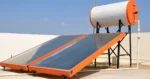
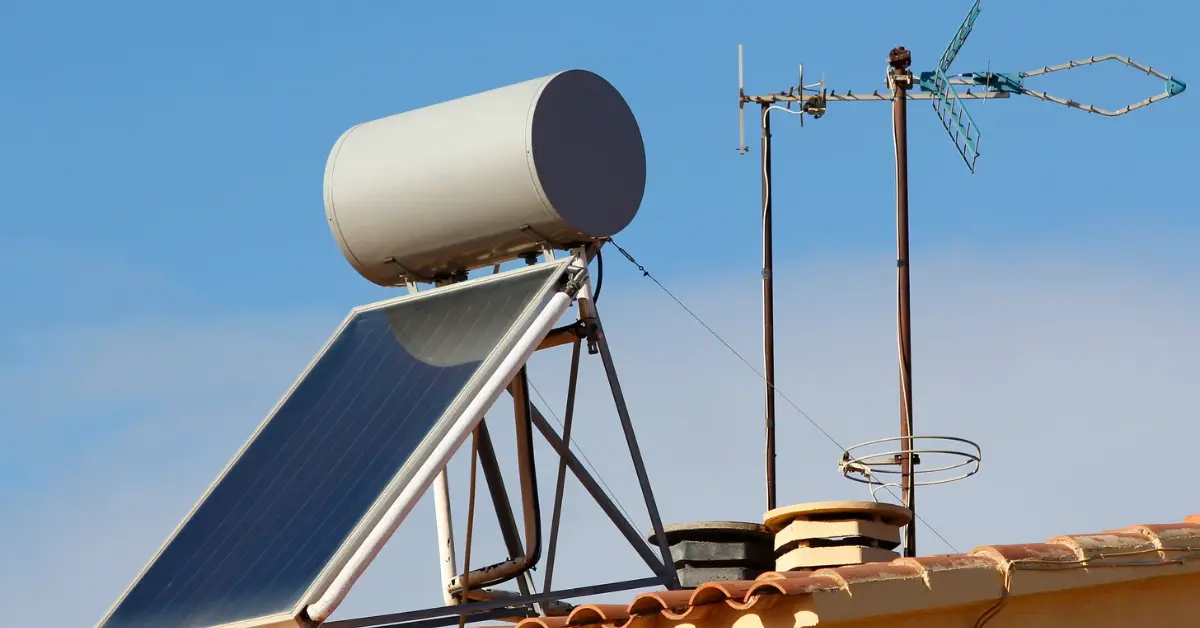
Perhaps the most logical choice for sun-drenched Cairns, solar hot water systems harness our abundant sunshine to heat water through roof-mounted collector panels. These systems typically include a storage tank and come in two main varieties: flat plate collectors and evacuated tubes.
Flat plate collectors are the traditional choice, featuring a glass-covered insulated box with a dark absorber plate through which water circulates. Evacuated tube collectors consist of parallel rows of transparent glass tubes, each containing an absorber plate that captures solar energy more efficiently, particularly in less-than-ideal conditions.
Most solar systems in Cairns include a backup heating method (electric or gas boosters) for periods of extended cloud cover, particularly during the wet season. This ensures continuous hot water availability regardless of weather conditions.
The primary benefit in our tropical climate is obvious—Cairns receives approximately 2,010 hours of sunshine annually, making solar hot water systems exceptionally efficient here compared to southern states. This abundance of sunshine translates directly to lower operating costs over the system’s lifetime.
Comparing Performance in Cairns’ Climate
The unique tropical conditions in Cairns create specific performance considerations for each system type.
Handling Tropical Conditions
Electric systems maintain consistent performance regardless of weather, which provides reliability during the wet season when solar efficiency may temporarily decrease. Modern electric tanks with enhanced insulation retain heat well even in the high ambient temperatures characteristic of North Queensland.
Gas systems, particularly instantaneous models, perform excellently in the Cairns climate. They’re unaffected by weather conditions and provide consistent water temperature regardless of seasonal changes. The faster recovery rates of gas storage systems can be advantageous during the wet season when multiple consecutive showers might be needed after outdoor activities.
Solar hot water systems truly excel in Cairns’ climate, operating at peak efficiency for most of the year. Even during the wet season, modern evacuated tube collectors can capture diffused sunlight on overcast days, though efficiency does decrease. Most systems will require some booster operation during extended periods of heavy cloud cover, typically experienced between January and March.
Water Pressure and Flow Rates
Water pressure considerations vary between system types. Gravity-fed solar systems can sometimes deliver lower pressure compared to mains pressure systems, though this is less common with newer models that incorporate mains pressure tanks.
Instantaneous gas systems require specific minimum water flow rates to activate—typically 2-3 litres per minute. In some older Cairns homes with lower water pressure, this can occasionally be problematic, requiring pressure assessment before installation.
Electric and storage gas systems generally provide consistent mains pressure performance, making them reliable choices across different Cairns property types from older Queenslanders to modern developments.
Heat Retention in High Ambient Temperatures
One often overlooked factor in tropical environments is heat retention efficiency. Cairns’ high ambient temperatures actually benefit all hot water system types by reducing standby heat loss—the energy lost while keeping water hot in the tank.
Modern storage systems (both electric and gas) feature significantly improved insulation compared to older models, further reducing this energy loss. For properties where hot water usage is concentrated during specific periods rather than throughout the day, this improved heat retention translates to meaningful energy savings.
Upfront Costs vs Long-Term Savings
The financial equation of hot water systems involves balancing initial outlay against ongoing operational costs.
Installation Cost Comparison
Electric systems typically represent the lowest upfront investment, with standard 125-litre models starting from approximately A$1,000-A$1,500 installed. Larger capacity models naturally cost more, with 315-litre systems potentially reaching A$2,000-A$2,500 installed.
Gas system costs vary significantly between storage and instantaneous types. Storage gas systems generally start around A$1,300-A$1,800 installed, while quality instantaneous systems typically range from A$1,700-A$2,800 installed, depending on capacity and features.
Solar hot water systems represent the highest initial investment, typically ranging from A$3,500-A$7,000 fully installed for quality systems sized appropriately for Cairns homes. This price variation depends significantly on system type (flat plate versus evacuated tube), tank size, and mounting requirements.
Running Cost Breakdown
While electric systems offer lower upfront costs, their running expenses can be considerably higher without careful tariff management. Standard tariff electric hot water typically costs a Cairns household between A$500-A$900 annually depending on usage patterns and system size. Off-peak tariffs can reduce this by 30-50%, making careful system programming essential for cost efficiency.
Gas systems generally offer moderate running costs, typically ranging from A$400-A$700 annually for an average household using natural gas. However, LPG costs in Cairns can be substantially higher, potentially increasing annual operating costs by 30-40% compared to natural gas.
Solar systems shine in terms of running costs, with annual expenses typically between A$100-A$300 depending on booster usage during the wet season. These dramatically lower operating costs mean that despite higher upfront investment, solar systems often achieve break-even points between 3-7 years compared to conventional electric systems on standard tariffs.
Maintenance Considerations
Maintenance requirements also factor into the total cost of ownership. Electric systems generally require minimal maintenance beyond occasional pressure relief valve checks and anode replacement every 5-7 years (approximately A$250-A$350).
Gas systems require more regular maintenance to ensure safe operation, with recommended annual safety checks costing approximately A$150-A$200. Instantaneous systems particularly benefit from periodic descaling in Cairns’ variable water quality areas.
Solar systems require the most vigilant maintenance schedule, with recommended annual panel cleaning and system checks costing approximately A$200-A$300. However, failing to maintain solar panels in Cairns’ tropical environment can significantly reduce efficiency due to dust, pollen, and occasional storm debris.
Environmental Impact & Carbon Footprint
Environmental considerations are increasingly important for many Cairns homeowners when selecting hot water systems.
Energy Efficiency Comparisons
Standard electric storage systems typically achieve thermal efficiency ratings between 80-90%, meaning 80-90% of electricity consumed is converted to useful hot water energy. However, if we consider the whole energy chain including electricity generation and transmission losses, the effective efficiency drops significantly.
Gas systems generally achieve thermal efficiencies between 70-95%, with modern condensing instantaneous units reaching the higher end of this range. When factoring in primary energy consumption, gas often represents a more efficient energy pathway than standard electric resistance heating.
Solar systems achieve remarkable efficiency in Cairns’ climate, with quality systems converting 75-90% of available solar radiation into useful water heating. Since the energy source is renewable, the primary energy efficiency effectively makes these systems the clear environmental choice.
Greenhouse Gas Emissions
The carbon footprint of electric systems depends entirely on the electricity generation mix. In Queensland, where coal still plays a significant role in electricity generation, standard electric hot water systems typically produce between 3-4 tonnes of CO₂ equivalent emissions annually for an average household.
Gas systems produce fewer emissions than standard electric systems in most cases, typically generating 1.5-2.5 tonnes of CO₂ equivalent annually depending on usage patterns and system efficiency.
Solar hot water systems with electric boosting typically produce only 0.3-0.7 tonnes of CO₂ equivalent annually in Cairns conditions, representing a 75-90% reduction compared to conventional electric systems. Systems with gas boosting produce marginally more emissions during the wet season but still maintain an excellent environmental profile.
Environmental Lifecycle Considerations
Beyond operational emissions, manufacturing and end-of-life disposal also contribute to environmental impact. Most hot water systems have similar materials profiles, predominantly using stainless steel, copper, and insulation materials.
Solar systems require additional resources for collector manufacturing but typically compensate through their extended operational lifespans—quality solar hot water systems often last 15-20 years compared to 10-12 years for conventional systems.
Government Rebates & Off-Peak Options in QLD
Financial incentives can significantly offset initial investment costs, particularly for more efficient system types.
Rebates Available in 2025
As of 2025, Queensland homeowners installing eligible solar hot water systems can access Small-scale Technology Certificates (STCs) under the federal government’s Small-scale Renewable Energy Scheme. These certificates effectively function as an upfront discount, typically reducing solar hot water system costs by A$800-A$1,200 depending on system size and efficiency rating.
Heat pump systems, while not covered in detail in this article, also qualify for substantial STC rebates, often reducing their effective installation cost to comparable levels with conventional electric systems.
Gas hot water systems currently have no specific government rebates in Queensland, though energy efficiency programs occasionally offer modest incentives for upgrading from electric resistance to high-efficiency gas systems.
Off-Peak Tariff Opportunities
Electric hot water systems connected to off-peak tariffs (Tariff 31 or 33 in Queensland) can achieve substantial running cost reductions. Tariff 31 provides guaranteed power supply for 8 hours overnight at reduced rates, while Tariff 33 offers cheaper electricity for approximately 18 hours daily but with potential supply interruptions.
In practice, most Cairns homes with sufficient hot water storage capacity can operate effectively on Tariff 31, heating water overnight for use throughout the following day. This approach typically reduces hot water energy costs by 30-50% compared to standard tariff operation.
Solar hot water systems with electric boosting can further optimise cost efficiency by configuring boosters to operate only during off-peak periods, essentially using the electricity grid as an economic energy storage mechanism during cloudy periods.
Best Option for: Households, Units & Small Businesses
Different property types and usage patterns call for tailored hot water solutions.
Sizing and Layout Considerations
For standard Cairns households (3-4 people), appropriate system sizes typically include:
- Electric: 160-250 litre storage capacity
- Gas storage: 130-170 litre capacity
- Gas instantaneous: 20-26 litres per minute flow rate
- Solar: 300-315 litre tank with 2-3 collector panels
Units and apartments often face space constraints that make instantaneous gas or smaller electric storage systems more practical. Limited roof access or orientation can also restrict solar options for some unit developments, though communal solar hot water systems are becoming more common in newer Cairns developments.
Small businesses typically require commercial-grade systems with higher recovery rates to manage peak demand periods. Commercial instantaneous gas systems or larger solar installations with substantial storage capacity generally provide the most cost-effective solutions for businesses with predictable hot water demand patterns.
Urban vs Outer Suburbs
Property location within the Cairns region also influences system selection. Inner-city properties with reliable natural gas connections may benefit from gas instantaneous systems, particularly where space is limited.
Outer suburban properties, especially those without natural gas infrastructure, often find solar or heat pump systems more economical in the long term despite higher initial investment. The excellent solar conditions in these less shaded locations typically maximise system efficiency.
Rural properties around Cairns often face additional considerations including variable water quality and potential pressure limitations. In these scenarios, robust electric storage systems or carefully selected solar installations with appropriate pre-filtration often provide the most reliable performance.
Future-Proofing for Solar-Ready Homes
For those building new homes or planning major renovations, future-proofing your hot water choices makes economic sense. Even if budget constraints prevent immediate solar installation, ensuring your home is “solar hot water ready” involves minimal additional cost during construction.
Key considerations include:
- Appropriate roof reinforcement and orientation
- Pre-installed plumbing connections for future solar installation
- Electric systems positioned to allow simple retrofit to solar preheat
- Electrical circuits sized for potential heat pump installation
This approach allows for staged investment while avoiding costly retrofitting expenses when upgrading to renewable hot water options in the future.
Frequently Asked Questions
What’s the cheapest system to install?
Standard electric storage hot water systems remain the most affordable option for initial installation in Cairns, typically costing between A$1,000-A$1,500 for standard sizes including installation. However, it’s important to consider that the lowest upfront cost rarely translates to the lowest lifetime cost. Electric systems on standard tariffs generally have the highest operational costs, potentially adding A$500-A$900 annually to your electricity bills. If budget constraints limit your initial investment, consider installing an electric system on an off-peak tariff with future upgrade pathways in mind. Many Cairns homeowners find that spending a bit more upfront on a more efficient system pays dividends through reduced operating costs within just a few years.
Is solar reliable during the wet season in Cairns?
Solar hot water systems in Cairns remain partially effective even during the wet season, though with reduced efficiency during extended overcast periods. Modern evacuated tube collectors perform better than flat plate systems in diffused light conditions, typically maintaining 30-50% efficiency even on overcast days. All quality solar hot water systems installed in Cairns include backup heating systems (electric or gas boosters) that activate automatically when solar contribution is insufficient. This ensures you’ll never run out of hot water regardless of weather conditions. While you may see slightly higher energy bills during the January-March wet season when boosters operate more frequently, the substantial savings during the remaining nine months of the year ensure solar systems still deliver excellent annual cost performance.
Do electric systems still make sense in 2025?
Electric hot water systems remain a practical choice for many Cairns properties in 2025, particularly when connected to controlled load tariffs. The technology has improved significantly with better insulation and more precise temperature control, reducing standby losses in modern models. Electric systems make particular sense for rental properties, homes with limited installation space, or as temporary solutions until budget allows for more efficient options. They’re also suitable for households with very low hot water usage where more expensive systems would have extended payback periods. However, with electricity prices projected to continue rising, connecting any new electric system to an off-peak tariff is strongly recommended to maintain reasonable operating costs.
What’s the most energy-efficient system?
In Cairns’ climate, properly sized solar hot water systems deliver the highest energy efficiency by a substantial margin. These systems typically provide 75-90% of annual hot water requirements through renewable solar energy, with minimal electricity or gas input required only during extended periods of low solar availability. Among conventional systems, high-efficiency instantaneous gas units achieve thermal efficiencies of 80-95%, outperforming standard electric resistance systems. Heat pump systems (though not covered in detail here) represent another highly efficient option for Cairns, using around 60-75% less electricity than conventional electric systems by extracting heat from our warm ambient air. When comparing energy efficiency claims, ensure you’re looking at performance data specific to tropical conditions, as many systems rated for southern Australian conditions perform differently in Cairns’ unique climate.
Can I switch from gas to solar easily?
Converting from a gas to a solar hot water system is generally straightforward but requires professional assessment and installation. The difficulty and cost depend primarily on your existing plumbing configuration, roof structure, and orientation. Most properties require some additional roof reinforcement to support solar collectors, along with new plumbing connections and potentially electrical work for booster circuits. The conversion typically takes 1-2 days to complete, including removal of the old gas system. If your existing gas system uses a storage tank, some of the existing plumbing connections can often be repurposed, reducing installation complexity. For instantaneous gas systems, more substantial plumbing modifications are usually required. A professional assessment from a Cairns solar hot water specialist can provide a property-specific conversion plan and accurate cost estimate based on your exact circumstances.
Conclusion
Selecting the right hot water system for your Cairns home involves balancing initial investment against long-term operational costs while considering your specific household needs and property constraints.
For most Cairns homeowners with suitable roof space, solar hot water systems represent the best long-term value despite higher upfront costs. The combination of excellent year-round solar conditions, substantial government rebates, and rising energy costs creates a compelling case for solar investment with typical payback periods of 3-7 years against conventional systems.
Properties with reliable natural gas connections may find instantaneous gas systems offer an attractive balance of moderate upfront cost, good energy efficiency, and reliable performance regardless of weather conditions.
Electric systems, while representing the lowest initial investment, generally make most economic sense when installed on controlled load tariffs and sized appropriately for household needs. They remain a practical choice for rental properties or homes with limited installation options.
For personalised advice specific to your property and hot water requirements, request a quote from our experienced Cairns hot water specialists who understand the unique challenges and opportunities of our tropical climate.
For more information about hot water system services at RF Hot Water Systems Cairns, check them out below:
Electric Hot Water System Installation
Gas Hot Water System Installation
Solar Hot Water Systems
Heat Pump Hot Water Systems
Instantaneous / Continuous Flow Hot Water Systems
Hot Water System Repairs
Hot Water System Maintenance
Emergency Hot Water Services
Hot Water System Replacements
Energy-Efficient Hot Water Installations
Hot Water System Sizing and Advice