There’s nothing quite like stepping into a warm shower after a long, humid day in Cairns, only to be jolted awake by an unexpected blast of cold water. It’s a scenario no homeowner wants to experience, yet many do simply because they’ve missed the warning signs their hot water system has been desperately trying to communicate. At RF Hot Water Systems Cairns, we’ve seen countless preventable breakdowns that could have been addressed earlier—saving homeowners not just from the discomfort of cold showers, but also from hefty emergency repair bills that often accompany complete system failures.
Cairns’ unique tropical climate creates specific challenges for hot water systems. The high humidity, occasional cyclonic weather, and even our water quality can all impact your system’s performance and longevity. Understanding the early warning signs of trouble can be the difference between a minor repair and a complete system replacement—often at the most inconvenient time possible.
Why Early Detection Saves Money and Prevents Breakdowns
The logic is simple but often overlooked: catching problems early almost always means simpler, less expensive repairs. When a small component begins to fail, it typically puts strain on other parts of the system, creating a domino effect that can quickly escalate from a minor issue into a major breakdown. By identifying and addressing these early warning signs, you’re not just fixing the immediate problem—you’re potentially extending the life of your entire system.
Consider this: the average cost of repairing a minor hot water system issue in Cairns ranges from A$150 to A$350. However, if that same issue is left unaddressed and leads to comprehensive system damage, you could be looking at replacement costs starting around A$1,200 for a basic electric system and potentially exceeding A$3,000 for solar or heat pump alternatives. That’s a significant difference that makes a compelling case for regular system checks and early intervention.
Beyond the financial implications, there’s also the matter of convenience. Hot water systems rarely choose convenient times to fail completely—they seem to have an uncanny knack for breaking down during holiday periods, weekends, or when you have houseguests. Addressing emerging problems during regular business hours is always more convenient than scrambling for emergency repairs when the system decides to quit altogether.
Sign #1: Water Isn’t Staying Hot
Symptoms and Causes
Perhaps the most obvious sign of a troubled hot water system is when your once reliably hot water starts to become lukewarm or alternates between hot and cold. In Cairns’ tropical climate, this can be particularly noticeable as our ambient water temperature is already higher than in southern states, making even slight temperature fluctuations more apparent during cooler months.
There are several potential causes for this temperature inconsistency. If you have a storage tank system, inadequate heating could result from mineral sediment buildup at the bottom of the tank. This sediment creates a barrier between the heating element and the water, forcing the element to work harder and less efficiently. Over time, this not only affects water temperature but also increases your energy consumption and shortens the life of the heating element.
For instantaneous systems, fluctuations often indicate problems with the flow sensor or gas pressure. These issues can cause the unit to cycle on and off inappropriately or fail to reach the desired temperature consistently. Either way, inconsistent water temperature is rarely something that resolves itself and typically worsens over time without intervention.
Thermostat or Heating Element Issues
Another common culprit behind temperature problems is a faulty thermostat or failing heating element. The thermostat is responsible for maintaining your water at the temperature you’ve selected. When it begins to malfunction, it may misread the actual water temperature or fail to activate the heating element when needed. Sometimes the fix can be as simple as adjusting the thermostat settings, but other times it may require replacement—a relatively straightforward repair when caught early.
The heating element itself can also deteriorate over time, particularly in areas like Cairns where water can have a higher mineral content. Hard water deposits can coat the element, reducing its effectiveness and eventually causing it to burn out completely. An experienced technician can test both the thermostat and heating element to determine which component is causing the issue, often replacing these parts without needing to disturb the entire system.
Sign #2: Discoloured or Rusty Water
What It Indicates
When you turn on your hot tap and notice brown, rusty, or discoloured water flowing out, it’s rarely a good sign. Clean water should always run clear, regardless of temperature. Discolouration specifically from the hot water taps (while cold water remains clear) points directly to issues within your hot water system rather than general plumbing problems.
This discolouration often indicates that the internal components of your hot water tank are corroding. Most hot water tanks include a sacrificial anode rod—a component designed to attract corrosive elements in the water and corrode itself instead of allowing the tank to rust. However, once this anode rod completely deteriorates (typically every 3-5 years), corrosion begins attacking the tank itself, leading to the rusty water you’re seeing.
The presence of sediment can also contribute to discolouration. Over time, minerals naturally present in Cairns’ water supply can settle at the bottom of your tank. When these sediments are disturbed—often during heating cycles or periods of high water use—they can mix with your hot water, creating that unappealing brownish tint.
When It’s a Sign of Tank Corrosion
Rusty water is particularly concerning when it’s consistent rather than occasional. If you notice discolouration only after returning from holidays or when the system hasn’t been used for a while, it might simply be stagnant water that will clear after running the taps. However, if the discolouration persists despite regular usage, this typically indicates ongoing corrosion inside the tank.
Advanced tank corrosion is a serious issue that often signals the beginning of the end for your hot water system. Once the tank itself begins corroding from the inside out, it’s usually more economical to replace the entire unit rather than attempt repairs. Internal corrosion inevitably leads to leaks, which brings us to our next warning sign.
Sign #3: Leaking from the Tank or Connections
Types of Leaks
Not all leaks are created equal when it comes to hot water systems. Some leaks are relatively minor and easily repaired, while others indicate serious problems that might necessitate complete system replacement. Understanding the different types of leaks can help you gauge the urgency and potential cost of repairs.
Connection leaks often appear around pipe fittings, valves, or where pipes enter and exit the hot water tank. These typically result from normal wear and tear, vibration loosening connections over time, or thermal expansion and contraction causing fittings to gradually work their way loose. Connection leaks are generally straightforward repairs that involve tightening fittings, replacing washers, or occasionally recutting and resealing pipe connections.
Tank body leaks, however, are far more serious and almost always indicate that your hot water system is approaching the end of its serviceable life. These leaks occur when the tank itself has corroded through, allowing water to escape from the main body of the tank. Unfortunately, there’s no effective way to repair a compromised tank—once it begins leaking from the main body, replacement is typically the only viable option.
Pressure Valve Issues
Leaking pressure relief valves represent another common source of water leakage that requires prompt attention. These temperature and pressure relief (TPR) valves are critical safety components designed to release water if the tank pressure or temperature exceeds safe levels. A leaking TPR valve might simply need cleaning if mineral deposits have prevented it from sealing properly, or it might need replacement if the valve itself has deteriorated.
However, it’s important to note that a TPR valve that releases water occasionally is actually functioning correctly—it’s doing its job of preventing dangerous pressure buildup. The concern arises when the valve leaks continuously, which could indicate excessive pressure in the system, potentially caused by a faulty thermostat or pressure regulator.
Safety Hazards
Beyond the obvious issues of water damage and waste, leaks from hot water systems can present significant safety hazards. Water leaking onto electrical components can create shock risks, while water pooling on floors creates slip hazards. Additionally, continued leaking around the base of a gas hot water system could potentially corrode gas connections, creating leak risks that extend beyond water concerns.
In Cairns’ tropical climate, persistent moisture from leaks also creates ideal breeding conditions for mould and mildew, potentially impacting indoor air quality and exacerbating respiratory issues. This environmental factor makes addressing leaks promptly even more important for homes in our region compared to drier climates.
Sign #4: Strange Noises from the System
Sediment Buildup
That unsettling popping, crackling, or rumbling from your hot water system isn’t just annoying—it’s your system crying out for attention. These unusual noises typically indicate sediment buildup at the bottom of the tank, a particularly common issue in Cairns due to our water supply’s mineral content. As water is heated, dissolved minerals separate and settle at the tank bottom, creating a layer of sediment that can become several centimetres thick in older systems.
When water trapped beneath this sediment layer heats and forms steam bubbles, they rise through the sediment creating those distinctive popping or crackling sounds. Think of it like a pot of thick soup simmering on the stove—the bubbles have to force their way through the viscous mixture, creating noise as they escape. While this might seem like a minor inconvenience, the implications for your hot water system are serious and far-reaching.
Regular maintenance, including flushing the tank to remove sediment accumulation, can prevent these noises and the associated damage. Most manufacturers recommend flushing storage tank hot water systems annually, though in areas with particularly hard water like parts of Cairns, more frequent flushing might be beneficial. This simple maintenance procedure can significantly extend your system’s operational life and maintain its efficiency.
Heating Struggles and Component Wear
Beyond the immediate noise issue, sediment buildup forces your hot water system to work considerably harder to heat your water. The layer of sediment insulates the tank bottom from the heating element or gas flame, requiring more energy and longer heating cycles to reach the desired temperature. This inefficiency translates directly to higher energy bills—sometimes increasing consumption by 15-30% in severely affected systems.
The additional strain also accelerates wear on critical components. Heating elements submerged in sediment can burn out prematurely, while gas burners must run longer and hotter to compensate for the insulating layer above them. This excessive heating can even damage the tank’s inner lining, especially in older systems, potentially leading to cracks and eventual leaks.
If you’ve noticed your system becoming progressively noisier over time, it’s a clear indication that sediment buildup has reached problematic levels. Professional flushing can often resolve the issue if caught early, but systems that have been noisy for extended periods may already have suffered component damage requiring more extensive repairs or even replacement.
Sign #5: Increased Energy Bills or Water Usage
Efficiency Loss
A sudden spike in your energy bills without corresponding increases in hot water usage should immediately raise red flags about your system’s efficiency. Hot water typically accounts for 20-30% of the average Australian household’s energy consumption, making efficiency losses in this system particularly noticeable on quarterly bills.
Several factors can contribute to diminishing efficiency in hot water systems. The sediment buildup we discussed earlier is a common culprit, but deteriorating insulation within the tank walls can also allow heat to escape more rapidly. In Cairns’ tropical climate, this heat loss might seem less significant than in colder regions, but it still represents wasted energy and unnecessary expense.
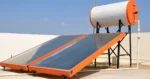
For solar hot water systems, efficiency decreases might indicate problems with collectors, circulation pumps, or heat transfer fluids. Regular maintenance checks can identify these issues before they significantly impact performance, allowing for minor adjustments rather than major repairs.
Heat Cycling and Power Draw Issues
Another efficiency concern is excessive heat cycling—when your system repeatedly heats water only to let it cool before reheating it again. This pattern often indicates thermostat problems, inadequate insulation, or damaged dip tubes that cause hot and cold water to mix improperly within the tank. The resulting constant heating cycles not only waste energy but also place additional strain on electrical components or gas valves.
Modern hot water systems should maintain relatively stable temperatures with minimal cycling. If you can hear your system frequently activating throughout the day despite normal usage patterns, it’s likely struggling with one of these efficiency issues. Similarly, unexplained increases in water usage might indicate leaks that aren’t immediately visible—perhaps occurring intermittently or in concealed locations.
Professional diagnostic testing can pinpoint the specific cause of efficiency losses, often identifying problems that wouldn’t be apparent during visual inspection alone. Given the significant portion of household energy consumption attributed to hot water, addressing these efficiency issues promptly can yield substantial savings over time.
When to Call for Emergency Repairs in Cairns
Red Flags Not to Ignore
While some hot water issues can wait for standard business hours, certain situations warrant immediate emergency attention regardless of the time or day. Recognizing these critical scenarios can help you make informed decisions about when to call for after-hours service versus scheduling a standard appointment.
Any significant water leaking from your hot water system demands urgent attention, particularly if it’s pooling near electrical connections or appears to be coming from the tank body rather than connections. Similarly, if your hot water system develops a persistent burning smell, begins producing soot (for gas systems), or shows signs of scorching around the base, these could indicate potentially dangerous combustion issues requiring immediate professional assessment.
Complete loss of hot water during extreme weather events or when vulnerable household members like infants or elderly residents are present might also justify emergency service calls. In Cairns’ tropical climate, cold showers might seem tolerable most of the year, but they can still create genuine hardship for those with certain health conditions or during the occasional cooler periods.
Why DIY Repairs Are a Bad Idea
The complexity of modern hot water systems, combined with the potential safety hazards involved, makes DIY repairs particularly risky. Hot water systems involve a potentially dangerous combination of high temperatures, pressurized water, and (in many cases) electricity or gas connections. Incorrect repairs can lead to property damage, personal injury, or even create dangerous conditions that affect everyone in your home.
Additionally, unlicensed work on hot water systems typically voids manufacturer warranties and may even violate insurance policies, leaving you financially exposed if something goes wrong. In Queensland, work on hot water systems legally requires appropriate plumbing and, where applicable, electrical or gas fitting licenses—making DIY interventions not just risky but potentially illegal.
24/7 Response
Reputable hot water service providers in Cairns understand that system failures rarely respect business hours. That’s why many, including RF Hot Water Systems Cairns, offer genuine 24/7 emergency response services. When selecting a service provider, confirm their after-hours processes—will you reach an answering service that relays messages, or do they maintain on-call technicians ready to respond promptly?
Ask about their typical emergency response times for the Cairns region, keeping in mind that outlying areas might experience longer waits than central suburbs. Understanding their service coverage area and any additional charges for after-hours calls can help avoid surprises when emergencies arise. The peace of mind that comes from knowing a qualified technician is available whenever serious issues develop is invaluable, particularly for families with young children or elderly residents who depend on reliable hot water access.
Frequently Asked Questions
How Long Should a Hot Water System Last?
The lifespan of your hot water system depends significantly on the type, quality, installation, maintenance history, and local water conditions. In general, traditional storage tank systems typically last 8-12 years in Cairns’ tropical climate, with proper maintenance potentially extending this range by 2-3 years. Instantaneous systems often achieve longer lifespans, with many quality units functioning effectively for 15-20 years when professionally maintained. Solar hot water systems present a mixed picture—while the tanks themselves have similar lifespans to traditional storage systems, the solar collectors often continue functioning effectively for 15+ years, making partial replacements a cost-effective option when tank components eventually fail. Regular maintenance, including anode rod replacement every 3-5 years for storage tanks, can significantly extend system life regardless of the type you’ve chosen.
Can Leaking Tanks Be Repaired?
Unfortunately, once a hot water tank begins leaking from its main body (rather than connections or valves), effective repairs are rarely possible. Modern hot water tanks feature complex construction with inner glass or ceramic linings, insulation layers, and outer metal casings—none of which can be effectively patched or sealed once water begins penetrating through these layers. While temporary measures like epoxy compounds might briefly slow minor seepage, they inevitably fail under the constant pressure and temperature fluctuations that hot water systems experience. When faced with a leaking tank body, replacement is almost always the necessary course of action. However, it’s important to confirm the source of leakage first—what appears to be a tank leak could potentially be connection or valve issues that are indeed repairable, potentially saving you the considerable expense of full system replacement.
Is Rusty Water Dangerous to Use?
While rusty water from your hot water system isn’t typically harmful for brief external contact like washing hands, it’s generally inadvisable for consumption, food preparation, or prolonged use. The discolouration comes primarily from iron oxide particles, which aren’t acutely toxic but can contain other metals or contaminants depending on your specific system and its deterioration pattern. More concerning than immediate health risks is what rusty water indicates about your system’s condition—internal corrosion that has progressed to the point of affecting water quality represents significant deterioration that will likely lead to system failure in the relatively near future. Additionally, rusty water can stain clothing, fixtures, and surfaces, creating secondary cleaning challenges throughout your home. If you’re experiencing consistent water discolouration, arranging a professional inspection promptly can help determine whether anode replacement might resolve the issue or if system replacement should be anticipated.
Why Does My System Make Banging Sounds?
That alarming banging or hammering noise from your hot water system most commonly results from a phenomenon called “water hammer”—rapid pressure changes causing shockwaves through your plumbing system. In hot water systems specifically, these pressure fluctuations often occur when valves close suddenly or when steam bubbles collapse within the tank. Sediment buildup significantly exacerbates these noises by creating uneven heating surfaces and trapping water pockets that rapidly vaporize and condense. Beyond being disruptive, these violent pressure fluctuations can damage pipe joints, valves, and tank connections over time. Professional solutions might include installing water hammer arrestors, adjusting water pressure regulators, securing loose pipes, or—for sediment-related banging—thoroughly flushing the tank to remove accumulated minerals. Ignoring persistent banging sounds typically leads to accelerated system wear and potentially costly plumbing repairs throughout your home.
Should I Repair or Replace My Unit?
This decision ultimately depends on multiple factors including your system’s age, the nature and extent of current problems, repair costs versus replacement investment, and efficiency considerations. As a general guideline, if your system is approaching or beyond its expected lifespan (typically 8-12 years for storage tanks) and requires repairs exceeding roughly 30% of replacement cost, replacement often represents the more economical long-term choice. Similarly, if you’re experiencing recurring issues despite multiple repair attempts, or if your current system’s efficiency significantly lags behind modern alternatives, the ongoing operational savings from a new system might justify the higher initial investment. For systems under 5 years old experiencing isolated component failures, repairs typically make more financial sense. A qualified hot water specialist can provide a comprehensive assessment of your specific situation, including projected remaining lifespan of your current unit and comparative operational costs between repair and replacement options based on your household’s typical usage patterns and the unique conditions of your Cairns property.
Conclusion
Staying vigilant about these five warning signs—temperature inconsistency, discoloured water, leaking, unusual noises, and efficiency loss—can save you from the considerable inconvenience and expense of complete system failure. In Cairns’ tropical climate, hot water systems face unique challenges that make regular monitoring particularly important for maximizing their service life and performance.
Remember that most catastrophic failures don’t happen suddenly—they develop gradually, with systems typically providing clear warning signs before complete breakdown. By addressing these indicators promptly with professional assistance, you can often convert what might have been an emergency replacement into a scheduled maintenance visit or minor repair.
For peace of mind and optimum system performance, consider scheduling annual professional inspections of your hot water system. These preventative checks can identify emerging issues before they manifest as noticeable problems, often extending system life considerably while maintaining energy efficiency. When selecting a service provider, look for experienced technicians with specific knowledge of Cairns’ tropical conditions and their impact on hot water system performance.
Don’t wait until you’re facing the unpleasant surprise of a cold shower to pay attention to your hot water system. By understanding and responding to these warning signs, you can ensure reliable hot water access while protecting your investment in this essential household system.
For more information about hot water system repair services at RF Hot Water Systems Cairns, check them out below:
Electric Hot Water System Installation
Gas Hot Water System Installation
Solar Hot Water Systems
Heat Pump Hot Water Systems
Instantaneous / Continuous Flow Hot Water Systems
Hot Water System Repairs
Hot Water System Maintenance
Emergency Hot Water Services
Hot Water System Replacements
Energy-Efficient Hot Water Installations
Hot Water System Sizing and Advice