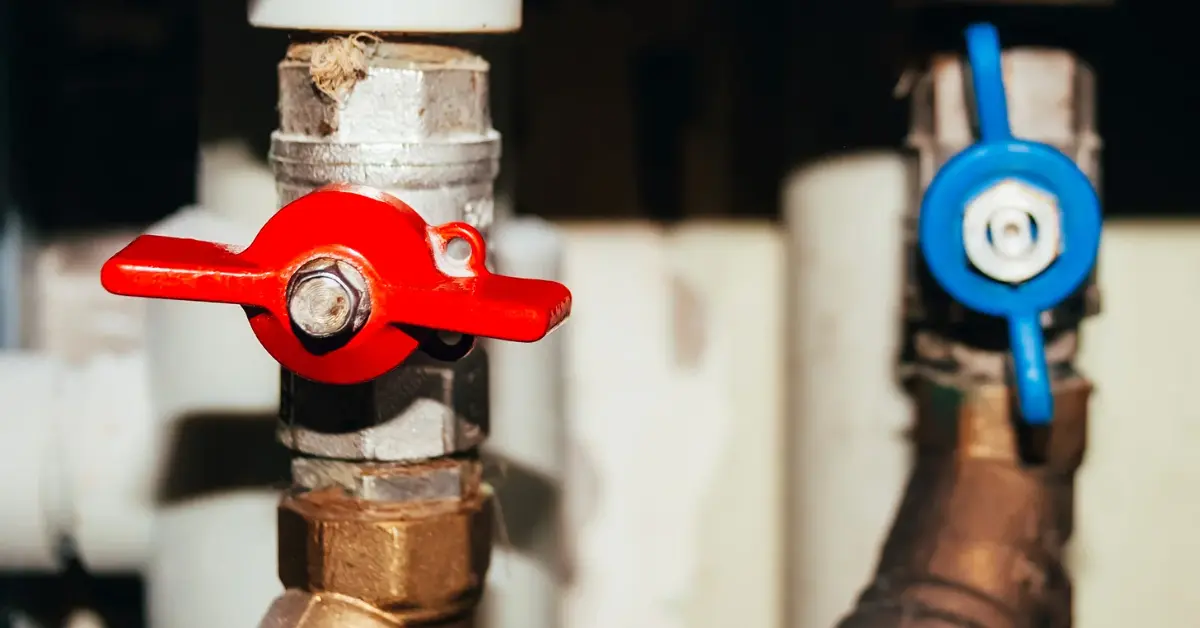
Selecting the right hot water system for your Cairns home isn’t just about choosing between electric, gas, or solar options—size matters tremendously. Too small, and you’ll face the frustration of cold showers during peak usage times. Too large, and you’re essentially heating water you’ll never use, wasting both energy and money. Here in tropical North Queensland, our unique climate and lifestyle create specific hot water needs that differ from those in southern states.
The perfect hot water system should match your household’s daily requirements while accounting for seasonal variations in Cairns. Whether you’re building a new home, replacing an aging system, or simply wanting to improve efficiency, choosing the correct capacity is crucial for your comfort and utility bills.
At RF Hot Water Systems Cairns, we’ve installed thousands of systems across the region, and the most common complaint we hear from dissatisfied customers switching from other providers is that their previous system was improperly sized. Let’s dive into how you can avoid this mistake and ensure your family always has sufficient hot water without unnecessary expense.
Factors That Determine System Size
Household Size and Composition
The number of people living in your home obviously affects how much hot water you’ll need, but the composition of your household matters just as much. A family with teenagers typically uses significantly more hot water than a household with young children or retirees. Teenagers are notorious for longer showers, while younger children often bathe rather than shower, using less water overall. Empty-nesters might have lower daily usage but may want capacity for when family visits—a common scenario in Cairns, where relatives escape southern winters.
Consider not just how many people live in your home currently, but how that might change over the next 10-15 years (the typical lifespan of a quality hot water system). Are children growing into teenagers? Will you have elderly parents moving in? These future considerations can save you from premature replacement costs.
Peak Usage Patterns
Understanding when your household uses hot water most heavily is crucial to sizing your system correctly. Most Cairns households experience morning peaks, when everyone prepares for work and school. However, shift workers or those working from home might have different patterns. A system that can handle your household’s busiest 60-90 minute period without running cold is essential.
Track your family’s habits for a week: how many showers occur back-to-back in the morning? Does anyone regularly take baths? Do you run the dishwasher and washing machine simultaneously with showers? These usage patterns dramatically affect the capacity you’ll need, regardless of how many people live in your home.
Number of Bathrooms and Water Outlets
A four-bedroom home with a single bathroom has very different hot water requirements from a similar-sized home with three bathrooms where multiple showers might run simultaneously. Each additional bathroom increases the potential for concurrent hot water usage, requiring a larger system capacity.
Beyond bathrooms, consider other hot water outlets: kitchen sinks, laundry taps, dishwashers, washing machines, and outdoor showers (popular in Cairns homes). Each adds to your peak demand requirements. Modern water-efficient fixtures can help reduce consumption, but multiple outlets still create potential for high simultaneous demand.
Climate Considerations in Cairns
Cairns’ tropical climate brings unique considerations for hot water sizing. Our warmer inlet water temperatures (water coming into your home from the mains) means less energy is required to heat water to your desired temperature compared to cooler regions. This allows slightly smaller systems than might be needed in southern states.
However, during our wet season, many households find hot water usage increases as people take more frequent showers to combat humidity. This seasonal variation should be factored into your calculations to ensure year-round comfort.
Sizing Guide by Household Type
1-2 Person Households
For singles or couples in apartments or small homes in Cairns, smaller capacity systems are typically sufficient:
- Storage electric: 80-125 litres
- Storage gas: 90-135 litres
- Solar with boost: 180 litres with smaller collector
- Heat pump: 160 litres
- Instantaneous: 16-20 litres per minute flow rate
These smaller households typically don’t face multiple simultaneous hot water demands, making smaller systems economical and efficient. For Cairns units and apartments, where space is often limited, compact systems or instantaneous options are increasingly popular.
3-4 Person Households
Medium-sized families represent the majority of Cairns households and generally require:
- Storage electric: 125-250 litres
- Storage gas: 135-260 litres
- Solar with boost: 250-300 litres with standard collector array
- Heat pump: 250-315 litres
- Instantaneous: 20-26 litres per minute flow rate
This sizing accommodates typical morning routines where showers might overlap with washing machine use or dishwashing. For 3-4 person households in Cairns, the efficiency of your system becomes increasingly important as your hot water consumption significantly impacts your energy bills.
5+ Person Households or Small Businesses
Larger families or homes that frequently host guests require substantial capacity:
- Storage electric: 250-400 litres
- Storage gas: 260-360 litres
- Solar with boost: 300-450 litres with larger collector array
- Heat pump: 315-400 litres
- Instantaneous: Multiple units or 26-32 litres per minute flow rate
For larger Cairns households, multiple bathrooms are common, creating simultaneous demand that smaller systems simply can’t handle. Consider the possibility of installing two smaller systems rather than one large one in some cases, especially if bathrooms are at opposite ends of the home.
Small businesses like hairdressers, small cafés, or holiday accommodations in Cairns have unique requirements that typically exceed residential needs. Commercial-grade systems with higher recovery rates are often necessary, even if the storage capacity seems similar to residential options.
Instantaneous vs Storage System Sizing
Understanding the Fundamental Difference
Storage systems (whether electric, gas, solar, or heat pump) hold a reservoir of pre-heated water, while instantaneous systems heat water on demand without storage. This fundamental difference affects how we approach sizing for each type.
For storage systems, we calculate the total volume you’ll need during peak usage periods, ensuring enough hot water is available until the system can recover (reheat more water). For instantaneous systems, we focus on the flow rate—how many litres per minute the system can heat to your desired temperature.
Sizing Storage Systems
Storage systems are measured in litres and sized based on your peak usage period. The calculation involves:
- Estimating total hot water used during your busiest hour
- Adding a 15-25% buffer for unexpected needs
- Considering the recovery rate (how quickly the system reheats water)
In Cairns’ tropical climate, recovery rates are better than in cooler regions, which works in our favour. However, during the wet season when incoming water temperatures can drop slightly, system performance may vary.
Sizing Instantaneous Systems
Instantaneous systems are rated by flow rate (litres per minute) and temperature rise capability. The sizing calculation focuses on:
- Maximum simultaneous hot water flow needed (e.g., two showers plus kitchen sink)
- Desired temperature increase from incoming water temperature
- Accounting for seasonal variations in water temperature
In Cairns, our relatively warm incoming water temperature gives instantaneous systems an advantage, allowing them to achieve higher flow rates than the same models installed in cooler climates. This means a 24L/min system in Cairns might effectively provide more hot water than it would in Melbourne.
Hybrid Approaches
Some larger Cairns homes benefit from hybrid approaches—perhaps an instantaneous system for bathrooms combined with a small storage system for the laundry and kitchen. This configuration can provide unlimited hot water for showers while ensuring washing machines have the high-volume bursts they need.
Mistakes People Make When Sizing Systems
Undersizing: The Cold Shower Syndrome
The most common mistake we see in Cairns homes is undersizing hot water systems. This typically results from:
- Basing calculations only on the number of people, not their usage patterns
- Failing to account for simultaneous usage (multiple showers, washing machine, dishwasher)
- Not considering seasonal variations in usage
Undersized systems lead to the dreaded “cold shower syndrome”—that uncomfortable moment when hot water runs out mid-shower. Beyond discomfort, constantly running a system at maximum capacity shortens its lifespan, leading to premature replacement costs.
One Cairns family we worked with had installed a 125L electric system for their family of five, based solely on budget considerations. Within months, they were experiencing daily hot water shortages and higher electricity bills as the system constantly cycled trying to keep up with demand. Upgrading to an appropriately sized 315L heat pump system resolved their issues and actually reduced their running costs.
Oversizing: Wasting Energy and Money
While less immediately noticeable than an undersized system, oversizing brings its own problems:
- Higher upfront purchase costs
- Wasted energy heating water that never gets used
- More standby heat loss in storage systems
- Longer recovery times in some electric systems
In Cairns’ warm climate, standby heat loss is less significant than in cooler regions, but it still represents wasted energy. For every 50L of excess capacity, you could be wasting A$50-100 annually in unnecessary heating costs.
Misunderstanding Flow Rates and Recovery Times
Many homeowners focus exclusively on tank size (litres) without considering:
- The system’s recovery rate (how quickly it reheats water)
- Flow restrictions at multiple outlets
- Pressure drop in instantaneous systems when multiple taps are used
A smaller system with a fast recovery rate might outperform a larger system with slower recovery for some households. Conversely, a high-flow instantaneous system might struggle if your home’s water pressure is insufficient.
Expert Tips for First-Time Buyers in QLD
Document Your Hot Water Habits
Before choosing a system, spend a week tracking your household’s hot water usage:
- Note shower times and approximate durations
- Record when appliances using hot water run
- Identify your busiest period for hot water use
- Measure flow rates at your taps (using a bucket and stopwatch)
This real-world data is invaluable for accurate sizing and will help prevent costly mistakes. Most Cairns households are surprised to discover their actual usage patterns when they document them.
Consider Off-Peak Tariffs for Electric Systems
Queensland offers off-peak electricity tariffs that can significantly reduce running costs for electric storage water heaters. However, these tariffs restrict when your system can heat water, requiring larger storage capacity to compensate.
For a typical Cairns family of four considering an electric storage system with off-peak tariffs, we generally recommend increasing your calculated size by 30-50% to ensure hot water availability throughout the day.
Future-Proof Your Decision
Hot water systems typically last 10-15 years, so consider:
- Family changes during that period (children growing, elderly parents moving in)
- Potential bathroom renovations or additions
- Solar energy plans that might affect your choice of system
- Increasing environmental regulations that might favour certain technologies
Investing in a slightly larger system now might save you from premature replacement costs if your needs increase over time. Alternatively, plan for modular expansion if appropriate for your chosen system type.
Ask for Professional Calculations
Professional sizing involves detailed calculations based on:
- Australian Standards guidelines
- Climate-specific adjustments for North Queensland
- Property-specific factors (water pressure, installation location)
- Energy efficiency considerations
At RF Hot Water Systems Cairns, we use specialized software that accounts for regional factors specific to Tropical North Queensland to recommend the ideal system size for your home.
FAQs
What size tank is needed for a 4-person home in Cairns?
For a typical 4-person household in Cairns with standard usage patterns (morning showers, evening dishwashing, daily laundry), we generally recommend storage systems between 200-300 litres depending on system type. However, this can vary significantly based on your specific habits. Families with teenagers or multiple bathrooms should lean toward the upper end of this range, while more water-conscious households might manage with the lower end. If you’re considering an instantaneous system instead of storage, a 24-26L/min unit is typically sufficient for a 4-person Cairns home with up to two bathrooms.
Can two smaller systems be better than one big one?
In certain situations, installing two smaller hot water systems can provide better performance than a single large system, particularly in larger Cairns homes with bathrooms at opposite ends of the house. This approach reduces heat loss through long pipe runs and ensures consistent water pressure at all outlets. It’s particularly effective for split-level homes or properties where bathrooms are widely separated. The downside is higher installation costs and potentially higher maintenance over time. We typically recommend this solution for homes exceeding 300m² or with more than three bathrooms.
Do solar systems require larger tanks?
Solar hot water systems typically require larger storage tanks than conventional systems to maximize energy harvesting during sunny periods. In Cairns, we generally recommend solar storage tanks 20-40% larger than equivalent electric or gas systems. This larger capacity allows you to store more solar-heated water during optimal collection periods, reducing the need for electrical or gas boosting during cloudy periods or high-demand evenings. The abundant sunshine in North Queensland makes solar hot water particularly effective, but proper sizing is crucial to achieve the advertised 70-90% energy savings.
What happens if the system is too small?
An undersized hot water system creates significant lifestyle disruptions and potential mechanical problems. Immediate effects include running out of hot water during peak usage periods, leading to cold showers and insufficient hot water for appliances. Long-term consequences include increased wear on heating elements or burners as the system constantly runs at maximum capacity, shortening lifespan by 30-40%. Additionally, continuous heating cycles increase energy consumption despite the smaller tank size. Signs your current system is too small include hot water running out before everyone has showered, having to schedule showers with significant gaps between users, or noticing your system running almost constantly.
Will a bigger system increase my power bill?
Not necessarily. While larger storage systems do have more water to heat initially, modern systems have excellent insulation that minimizes standby heat loss. In many cases, a properly sized larger system may actually reduce energy costs compared to an undersized system that constantly cycles on and off. The key factors affecting energy consumption are the system type (heat pump, solar, electric, gas), its energy efficiency rating, and whether it’s correctly sized for your needs. In Cairns’ tropical climate, standby losses are less significant than in cooler regions, making system efficiency more important than minor differences in storage capacity when it comes to energy costs.
Conclusion
Choosing the right size hot water system for your Cairns home doesn’t need to be complicated when you understand the key factors at play. By carefully considering your household size, usage patterns, and property characteristics, you can select a system that provides reliable hot water without unnecessary expense.
Remember that your hot water system is a long-term investment that will impact your daily comfort and energy bills for the next decade or more. Taking time now to properly assess your needs can save you thousands in running costs and prevent the frustration of insufficient hot water.
For Cairns households, our tropical climate offers advantages for certain system types, but also creates unique usage patterns that must be considered when sizing your system. Whether you’re building new, replacing an aging system, or upgrading to more efficient technology, professional advice based on local conditions is invaluable.
At RF Hot Water Systems Cairns, we offer free in-home assessments to help determine the perfect system size based on your specific property and household needs. Contact our team today or request a quote for expert guidance tailored to your situation.
For more information about hot water system sizing and advice services at RF Hot Water Systems Cairns, check them out below:
Electric Hot Water System Installation
Gas Hot Water System Installation
Solar Hot Water Systems
Heat Pump Hot Water Systems
Instantaneous / Continuous Flow Hot Water Systems
Hot Water System Repairs
Hot Water System Maintenance
Emergency Hot Water Services
Hot Water System Replacements
Energy-Efficient Hot Water Installations
Hot Water System Sizing and Advice