In the sun-drenched climate of Far North Queensland, harnessing solar energy for your home’s hot water needs isn’t just environmentally responsible—it’s economically savvy. As energy costs continue to climb across Australia, more Cairns homeowners are investigating their options for solar hot water systems. At RF Hot Water Systems Cairns, we’ve helped countless residents navigate the sometimes complex world of solar hot water installation and, importantly, the available rebates that can significantly reduce upfront costs.
Queensland enjoys some of Australia’s most abundant sunshine, making it an ideal location for solar hot water technology. With recent updates to government incentive programs in 2025, there’s never been a better time to consider making the switch to a cleaner, more efficient hot water solution. This comprehensive guide will walk you through everything you need to know about claiming solar hot water rebates in Queensland, ensuring you maximize your financial benefits while reducing your carbon footprint.
How Solar Hot Water Systems Work
Before diving into the rebate details, it’s important to understand how these systems function—knowledge that will help you make informed decisions when speaking with installers and claiming incentives.
Collectors, Tanks, and System Components
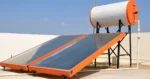
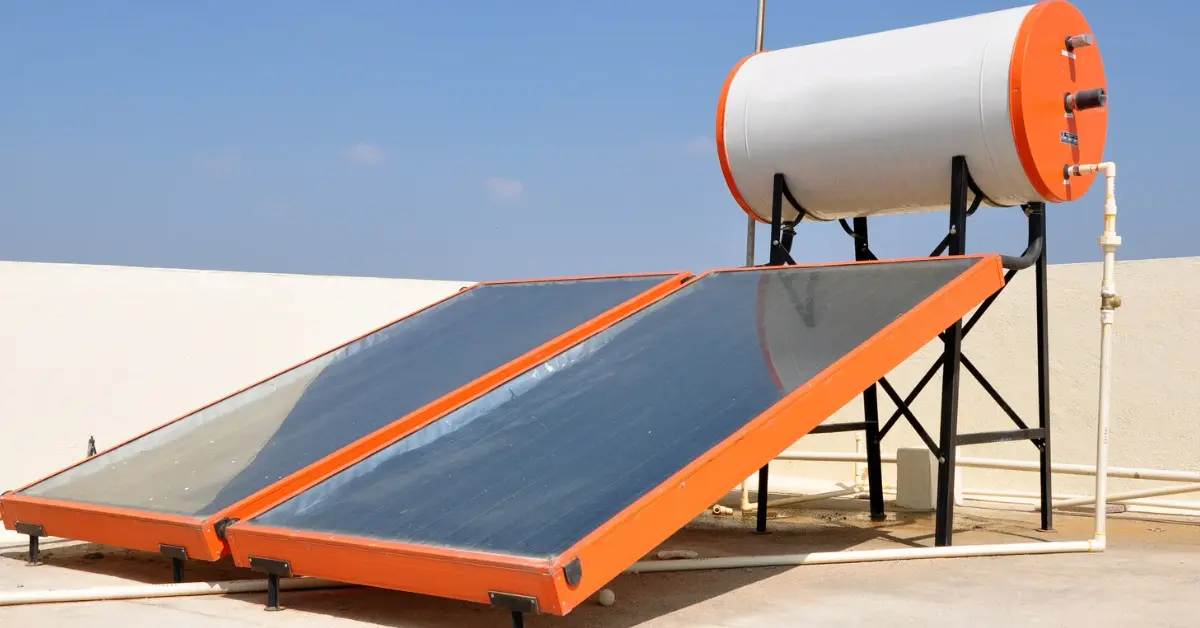
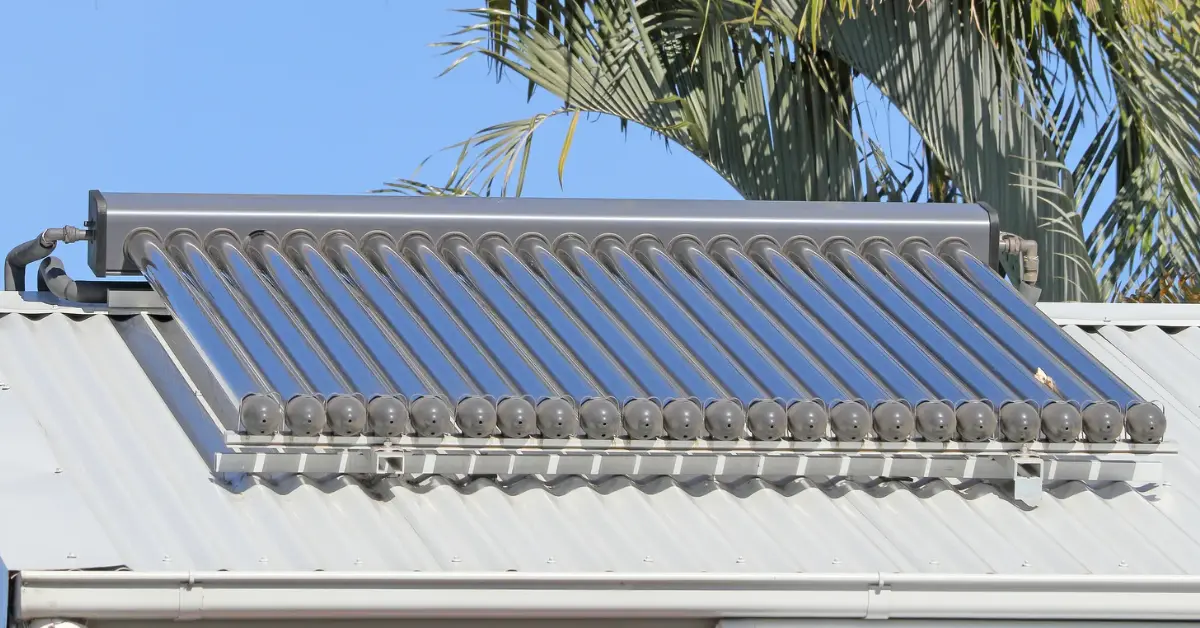
Solar hot water systems operate on a surprisingly simple principle, though the technology behind them is sophisticated. These systems capture the sun’s thermal energy using collectors (either flat panels or evacuated tubes) typically mounted on your roof. These collectors absorb solar radiation and transfer the heat to a fluid—either water directly or a heat-transfer fluid in closed-loop systems.
The heated water or fluid then travels to an insulated storage tank. In direct systems (common in Cairns’ frost-free climate), water circulates directly through the collectors and into the storage tank. In indirect systems, a heat exchanger transfers heat from the circulating fluid to the water in your tank without the fluids mixing.
Most solar hot water systems in Cairns incorporate a well-insulated tank ranging from 150 to 400 litres, depending on household size. The positioning of this tank—either on the roof alongside the collectors or on the ground level—depends on your specific system configuration and property layout.
Boosting Methods: Electric vs Gas
Even in sunny Cairns, there will be days when solar energy alone cannot meet your hot water demands, particularly during the wet season or extended periods of cloudy weather. This is where boosting comes in—a backup heating method that ensures you never run out of hot water.
Electric boosting uses an element within the tank similar to a conventional electric hot water system. When the water temperature falls below a preset level, the element activates to maintain your desired temperature. Electric boosting can be configured to operate during off-peak tariff periods for additional cost savings.
Gas boosting, alternatively, uses a gas burner to heat water when solar input is insufficient. Gas boosters can be instantaneous (heating water on demand) or storage-based. Many Cairns homeowners prefer instantaneous gas boosting for its efficiency, as it only operates when needed and doesn’t maintain a tank of hot water overnight.
The choice between electric and gas boosting impacts both your system’s overall efficiency and your eligibility for certain rebates. Your particular circumstances—including gas availability, electricity tariffs, and household hot water usage patterns—will determine which boosting method makes the most sense for your installation.
Benefits of Solar Hot Water in Cairns
Cairns’ tropical climate provides exceptional conditions for solar hot water system performance, offering residents significant advantages over conventional heating methods.
Utility Savings
Perhaps the most immediate and noticeable benefit of installing a solar hot water system is the reduction in energy bills. Hot water typically accounts for 20-30% of an average Australian household’s energy consumption. By harnessing free solar energy, you can substantially reduce this expense.
In Cairns’ climate, well-designed solar hot water systems can provide up to 90% of a household’s hot water needs annually. This translates to substantial savings on electricity or gas costs. While initial installation costs are higher than conventional systems, the ongoing savings create a compelling return on investment. Many Cairns homeowners report recouping their initial investment within 3-5 years through reduced energy bills, with savings continuing for the system’s 15-20 year lifespan.
For a typical 4-person household in Cairns switching from an electric hot water system, annual savings can range from A$450 to A$900, depending on your specific energy usage patterns and the efficiency of your chosen solar system.
Energy Independence
Solar hot water systems provide a level of energy independence that conventional systems cannot match. By generating your own hot water energy, you’re less susceptible to rising utility prices and potential supply disruptions. This self-sufficiency is increasingly valuable as energy costs continue to climb across Queensland.
During daylight hours, your system harvests solar hot water rebates energy regardless of the electricity grid status, ensuring hot water availability even during power outages (though electric boosting would not function without power). This resilience is particularly valuable during Cairns’ cyclone season when power interruptions can occur.
Additionally, by reducing your reliance on grid electricity or gas, you’re better insulated against future energy price hikes, which have been a consistent trend in Australia over the past decade.
Lower Carbon Footprint
The environmental benefits of solar hot water systems are substantial. By harnessing renewable solar energy rather than burning fossil fuels or using coal-generated electricity, you significantly reduce your household’s carbon emissions.
A standard electric hot water system in Queensland produces approximately 3-4 tonnes of greenhouse gas emissions annually. Switching to solar can reduce these emissions by up to 80%, depending on your boosting method and usage patterns. For environmentally conscious Cairns residents, this represents a meaningful contribution to fighting climate change while enjoying practical benefits.
The reduced environmental impact isn’t limited to carbon emissions. Solar hot water systems also help decrease demand for fossil fuel extraction and processing, reduce strain on the electricity grid during peak periods, and demonstrate a commitment to sustainable living that often inspires others in your community.
Rebate Programs Available in QLD
Queensland offers several incentive programs that significantly reduce the upfront cost of solar hot water installations, making the technology more accessible to a wider range of homeowners.
Federal STCs (Small-scale Technology Certificates)
The primary rebate mechanism for solar hot water systems in Australia is the federal Small-scale Renewable Energy Scheme (SRES), which creates Small-scale Technology Certificates (STCs). This program remains active in 2025, though it’s scheduled to begin phasing down and will eventually conclude, making this an ideal time to take advantage of these incentives.
STCs are essentially a form of tradable environmental currency. When you install an eligible solar hot water system, you generate a specific number of STCs based on:
- The size and type of your system
- Your geographic location (Cairns falls into Zone 1, which receives the highest number of certificates)
- The displacement value of your particular system (how much conventional energy it replaces)
- The remaining life of the SRES program (which is gradually phasing down)
As of 2025, a typical solar hot water installation in Cairns can generate between 20-30 STCs, each valued at approximately A$35-40, though this market price fluctuates. This translates to potential rebates of A$700-1,200 off your installation costs. Most installers will offer to handle the STC paperwork and provide an upfront discount on your system equivalent to the STC value, simplifying the process for homeowners.
Importantly, to qualify for STCs, your system must be installed by a properly accredited professional, and the equipment must be approved by the Clean Energy Regulator and meet Australian Standards. RF Hot Water Systems Cairns ensures all our installations meet these requirements, maximizing your rebate eligibility.
State Incentives (Queensland-Specific Programs)
In addition to federal STCs, Queensland periodically offers state-specific incentives for renewable energy technologies. As of 2025, the Queensland government has introduced limited regional rebates targeting specific areas and demographics.
The Queensland Energy Efficient Appliance Rebate program includes provisions for solar hot water rebates and heat pump systems in certain circumstances. Eligible Queensland households can receive additional rebates of up to A$500 when replacing inefficient electric hot water systems with approved solar alternatives.
Additionally, several local councils in the greater Cairns region offer their own incentive programs, including rate reductions or small grants for renewable energy installations. These programs often have limited funding and operate on a first-come, first-served basis, so it’s advisable to check current availability when planning your installation.
Eligibility Checklist
To ensure you qualify for the maximum available rebates, verify that:
- Your property is your primary residence (some rebates have different rates for investment properties)
- Your chosen system is on the approved products list maintained by the Clean Energy Regulator
- Your installer is properly accredited for both plumbing and solar hot water installation
- You’re replacing an existing electric hot water system (some rebates offer higher incentives for removing electric systems rather than gas)
- You haven’t claimed rebates for a hot water system at this address within the past 10 years
- Your installation complies with all local building codes and regulations
- You maintain proper documentation of your previous system and new installation
Meeting these requirements ensures you’ll receive the maximum financial benefit from available government programs.
How to Claim Rebates in 2025
Navigating the rebate claiming process can seem daunting, but with proper guidance, it’s quite straightforward. Here’s how to ensure you receive all incentives you’re entitled to.
Step-by-Step Claim Process
- System Selection: Choose a solar hot water system that’s eligible for rebates. The Clean Energy Regulator maintains a register of approved products that qualify for STCs. Your installer should confirm your chosen system is on this list.
- Find an Accredited Installer: Select a qualified installer who is both a licensed plumber and accredited to install solar hot water systems. They should be familiar with the rebate process and typically will handle much of the paperwork on your behalf.
- Creation of STCs: After installation, your installer will help create the appropriate number of STCs based on your system specifications and location. This involves registering the installation with the Clean Energy Regulator through the REC Registry.
- Assignment of STCs: Most homeowners choose to assign their STCs to the installer or a certificate agent in exchange for an upfront discount on the system price. This is simpler than creating and selling the certificates yourself, though you may receive slightly less than market value for this convenience.
- Submission of Documentation: For state-based rebates, you’ll need to submit an application form along with proof of purchase, installation certificates, and evidence that your system meets the specified requirements. Many state programs now offer online application portals.
- Verification Process: Rebate administrators may request additional information or even conduct site inspections to verify your installation meets all requirements. Ensuring your installer provides complete documentation helps avoid delays in this process.
- Rebate Payment: If you’ve assigned your STCs to your installer, you’ll receive this benefit as an upfront discount. For state-based rebates, payment typically occurs via direct deposit within 4-8 weeks of application approval.
Documentation Required
To successfully claim your rebates, prepare to provide:
- Proof of purchase (detailed invoice showing system specifications)
- Certificate of compliance from your licensed installer
- Photos of the installed system (including serial numbers and compliance plates)
- Evidence of your old system’s removal (for replacement incentives)
- Proof of property ownership or landlord permission for rental properties
- Your tax file number (for certain rebate programs)
- Household income details (for means-tested incentives)
- Government-issued identification
- Bank account details for rebate payments
Keeping comprehensive records not only facilitates your rebate claims but also provides valuable documentation for warranty purposes and potential future property sales.
Tips to Maximise Rebate Amount
To ensure you receive the maximum rebate value:
- Timing matters: STC values are calculated based on the remaining life of the SRES program, which is gradually phasing down. Installing sooner rather than later typically means more certificates.
- Compare quotes: Different installers may offer varying amounts for your STCs. Shopping around can help you find the best offer.
- Bundle with other renewables: If you’re also considering solar PV panels, some incentive programs offer additional benefits for complete renewable energy solutions.
- Check eligibility for multiple programs: You may qualify for federal STCs, state rebates, and local council incentives simultaneously.
- Consider system sizing carefully: Larger systems generate more STCs, but ensure the size matches your household’s actual hot water needs for optimal efficiency.
- Request explicit rebate documentation: Ask your installer to clearly document the STC discount on your invoice to avoid any confusion about the benefits you’ve received.
- Apply promptly: Some state-based incentives have limited funding pools that may be exhausted before program end dates.
Common Misconceptions About Rebates
Many Cairns homeowners miss out on maximum rebate benefits due to persistent myths about how these programs work. Let’s clarify some common misunderstandings.
Only New Homes Qualify (False)
One pervasive myth is that solar hot water rebates are only available for new home constructions. In reality, replacement installations in existing homes not only qualify but often receive more generous incentives, particularly when replacing inefficient electric systems. The rebate programs specifically target reducing energy consumption in the existing housing stock, making upgrades to established homes a priority.
Whether you’re building new, renovating, or simply replacing an aging hot water system, rebate eligibility remains available. The key factor is not the age of your home but rather that the installation meets current standards and is performed by qualified professionals.
It Takes Months to Receive Money Back
While government processes can sometimes be slow, the STC component of solar hot water rebates is typically applied as an instant discount at the point of purchase. When you assign your STCs to your installer (the most common approach), you receive the benefit immediately as a reduced installation price.
For additional state-based rebates that involve direct payments, processing typically takes 4-8 weeks, not the months that many homeowners fear. The application processes have been streamlined in recent years to encourage greater adoption of renewable technologies.
Only Solar Electricity is Eligible (False)
Many homeowners believe that solar rebates apply exclusively to photovoltaic (electricity-generating) systems. In fact, solar thermal technologies for water heating have their own dedicated rebate streams and have historically received strong government support due to their efficiency in reducing household energy consumption.
Solar hot water systems are explicitly included in the SRES program, with specific provisions tailored to their unique characteristics. While the rebate calculation methods differ somewhat from solar PV systems, the financial benefits can be equally compelling, particularly in Cairns’ ideal climate for solar thermal performance.
Frequently Asked Questions
How much can I get back in rebates?
For Cairns residents installing solar hot water rebate systems in 2025, typical rebate values range from A$700 to A$1,500, depending on your specific system, property characteristics, and eligibility for various programs. The federal STC program provides the bulk of this value, typically offering A$700-1,200 for standard residential installations in the Cairns region. Additional state rebates may provide A$300-500 in certain circumstances, particularly when replacing old electric systems. Some local council programs may offer further small incentives or rate reductions. To maximize your benefits, consult with experienced installers like RF Hot Water Systems Cairns, who understand the complete range of available incentives and can help you optimize your system specifications to qualify for maximum rebate values while meeting your household’s hot water needs.
Are rebates available for replacements?
Absolutely—replacements not only qualify for rebates but often receive enhanced incentives compared to new installations. The government specifically targets the replacement of inefficient electric hot water systems with environmentally friendly alternatives. When replacing an existing electric storage hot water system with a solar option, you may qualify for additional rebate components beyond the standard STC values. This “displacement value” is particularly beneficial in the Cairns region, where solar performance is exceptional. To qualify, you’ll need to provide documentation of your old system’s removal and disposal, which your installer should handle as part of the installation process. One important consideration: you cannot claim rebates for replacing a system that previously received rebates within the past decade, so timing your upgrade appropriately is essential.
What paperwork do I need?
The documentation requirements for solar hot water rebates include proof of purchase (detailed invoice), certificate of compliance from your licensed installer, photos of the installed system (including serial numbers and compliance plates), evidence of your old system’s removal (for replacement incentives), proof of property ownership, your tax file number, and bank account details for rebate payments. Your installer should provide most of this documentation as part of their service package. For optimal processing, ensure all documents clearly show the system specifications, including collector type, tank size, and boosting method. Creating a dedicated folder (both physical and digital) for these documents is advisable, as you may need them not only for rebate purposes but also for warranty claims, home insurance updates, and potentially for future property sales to demonstrate the added value of your renewable energy installation.
Who submits the claim—homeowner or installer?
For STC rebates, most installations follow a streamlined process where the installer handles the claim submission on your behalf. Typically, you’ll sign an assignment form transferring the rights to your STCs to the installer or a third-party agent. In exchange, you receive an upfront discount on your installation cost equivalent to the value of those certificates. This arrangement benefits both parties—you receive immediate savings without navigating complex paperwork, while the installer handles the administrative process they’re already familiar with. For state government rebates, the responsibility varies by program. Some require homeowner application, while others permit installer submission. Your installer should clearly explain which components they’ll handle and which require your direct involvement. Always review any forms before signing, and request copies of all submitted documentation for your records, regardless of who completes the submission.
Will rebates still apply in 2026?
The future of solar hot water rebates beyond 2025 contains some uncertainty, though certain aspects are clear. The federal STC program is legislated to continue until 2030, but with a gradual annual reduction in certificate values. This means that while rebates will still exist in 2026, they’ll be worth approximately 8-10% less than in 2025. State-based incentives typically operate on shorter funding cycles, making their availability in 2026 less predictable. The current Queensland energy efficiency programs are funded through mid-2026, but specific allocations for solar hot water systems may be modified or redirected based on policy priorities. Local council incentives are even more variable. The consistent trend in Australian renewable energy policy suggests that while rebate forms may change, some financial support will likely remain available. However, the general trajectory is toward reducing incentive values over time, making earlier adoption financially advantageous.
Conclusion
Solar hot water represents one of the most practical and beneficial renewable energy investments for Cairns homeowners. The combination of our ideal climate, rising energy costs, and generous rebate programs creates a compelling case for making the switch. Current rebate levels in 2025 provide substantial financial support, effectively reducing the payback period for these systems to just a few years.
As rebate programs continue their planned phase-down, acting sooner rather than later ensures you’ll maximize the available financial benefits. Whether you’re building new, renovating, or simply replacing an aging hot water system, the current incentive landscape makes solar hot water an economically sound decision for most Queensland households.
For personalized advice on the best solar hot water solution for your specific property and guidance through the rebate process, contact RF Hot Water Systems Cairns or request a quote today. Our experienced team provides no-obligation consultations to help you navigate both the technical aspects of system selection and the financial benefits of available rebate programs.
For more information about hot water system services at RF Hot Water Systems Cairns, check them out below:
Electric Hot Water System Installation
Gas Hot Water System Installation
Solar Hot Water Systems
Heat Pump Hot Water Systems
Instantaneous / Continuous Flow Hot Water Systems
Hot Water System Repairs
Hot Water System Maintenance
Emergency Hot Water Services
Hot Water System Replacements
Energy-Efficient Hot Water Installations
Hot Water System Sizing and Advice